
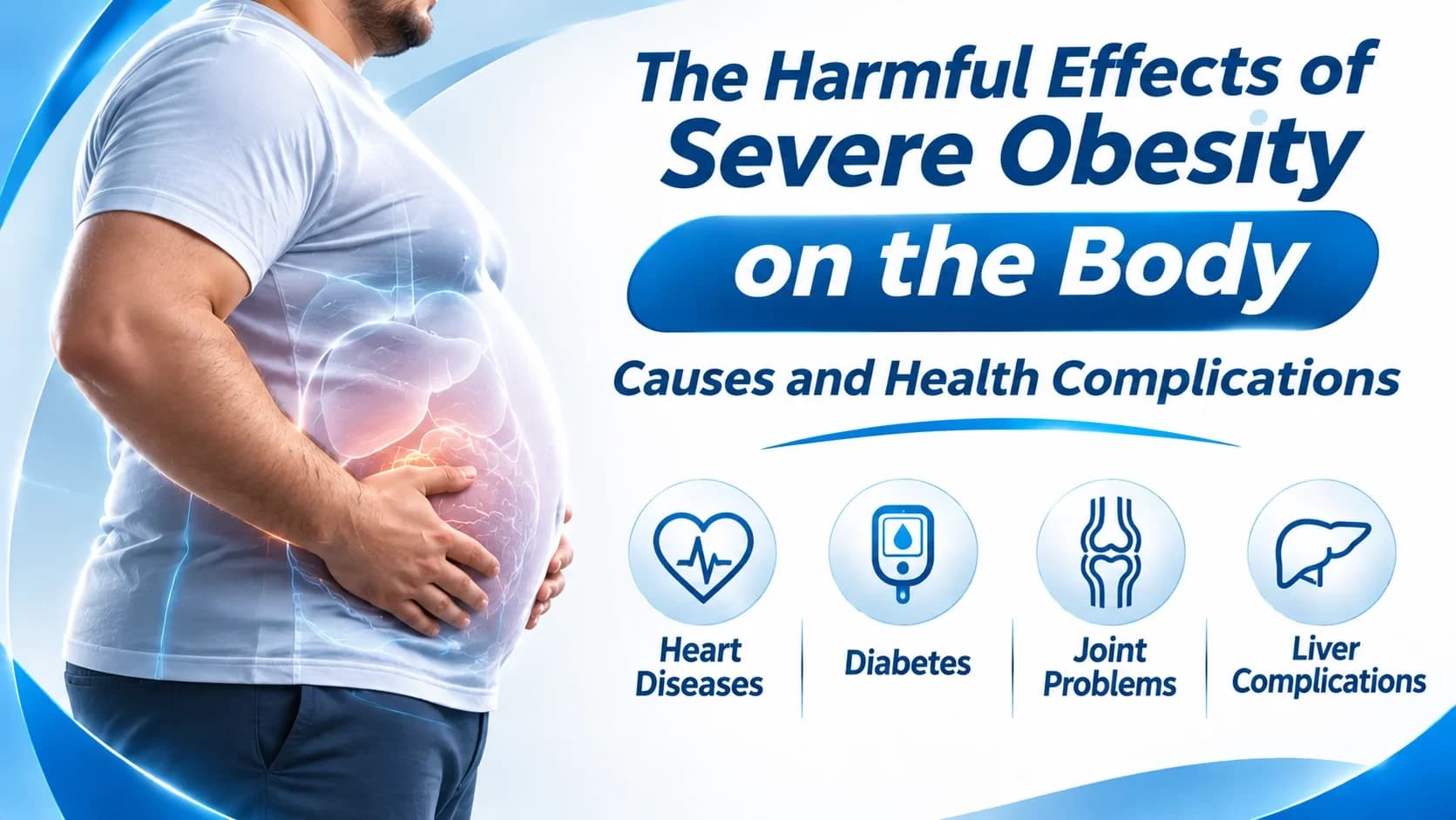

Excessive weight gain can affect more than body shape or the ability to find comfortable clothing. When significant amounts of fat accumulate in the body, various organ functions may be affected, increasing the risk of chronic diseases that can impact quality of life over the long term. One of the main concerns with severe obesity is that some of its complications may develop gradually without noticeable symptoms in the early stages.
In this article, we explore the effects of severe obesity on the heart, metabolism, liver, joints, and respiratory system. We also discuss its impact on mental and reproductive health, how the condition can be assessed, and how to choose an appropriate treatment approach.
Medical Review Disclaimer: This article has been medically reviewed by Dr. Ahmed Abu Kheima, Consultant of General Surgery, Gastrointestinal Surgery, and Oncology, to ensure the accuracy of the medical information provided.
What Is Severe Obesity?
Obesity is a chronic health condition characterized by excessive fat accumulation in the body that may negatively affect health. Body Mass Index (BMI) is commonly used as an initial tool to assess weight and is calculated by dividing weight in kilograms by height in meters squared. In adults, a BMI of 30 or higher indicates obesity, while the term Class III obesity is generally used when BMI reaches 40 or higher.
However, BMI alone does not indicate fat distribution or provide a complete picture of a person's health. Therefore, a doctor may need to assess waist circumference, measure blood pressure, review medical history, and order appropriate tests. BMI is also interpreted differently in children and adolescents, as it is assessed according to age and sex rather than using the same thresholds applied to adults.
What Are the Main Effects of Severe Obesity on the Body?
1. Heart Disease and High Blood Pressure
Obesity is associated with an increased risk of high blood pressure, abnormal blood lipid levels, coronary artery disease, and stroke. Excess body fat, particularly fat accumulated around the abdomen and internal organs, may contribute to insulin resistance, inflammation, and metabolic disturbances, all of which can affect cardiovascular health.
Over time, these factors may increase the workload on the heart and raise the risk of cardiovascular disease. However, this does not mean that everyone with obesity will develop heart problems. Monitoring blood pressure, cholesterol, and blood sugar levels can help identify risk factors early and address them appropriately.
2. Increased Risk of Type 2 Diabetes
One of the significant health risks of severe obesity is an increased likelihood of developing type 2 diabetes. Excess body fat, particularly around the abdomen, may increase insulin resistance. Insulin is the hormone that helps cells absorb and use glucose from the bloodstream. As the body's ability to compensate for this resistance declines, blood sugar levels may gradually rise.
Before type 2 diabetes develops, a person may experience a condition known as prediabetes, in which blood glucose levels are higher than normal but not yet within the diagnostic range for diabetes. Therefore, a doctor may recommend fasting blood glucose or HbA1c testing based on individual risk factors and overall health, even when no noticeable symptoms are present.
3. Fatty Liver Disease and Digestive Problems
Obesity may contribute to fat accumulation inside liver cells, a condition currently known as metabolic dysfunction-associated steatotic liver disease (MASLD). This condition may not cause noticeable symptoms in its early stages, but in some individuals, it can progress to liver inflammation and fibrosis, making early detection and assessment important.
Obesity may also increase the risk of gallstones and worsen symptoms of gastroesophageal reflux disease (GERD) in some people. Liver and gallbladder assessments depend on medical history and physical examination and may include liver function tests or ultrasound imaging when considered necessary by the doctor.
4. Sleep Apnea and Respiratory Problems
Excess fat around the neck, abdomen, and chest can affect the airway and breathing movements, increasing the risk of obstructive sleep apnea. This condition involves repeated pauses in breathing or reduced airflow during sleep. Symptoms may include loud snoring, waking up gasping for air, morning headaches, and excessive daytime sleepiness.
Snoring alone should not be considered definitive evidence of sleep apnea, as diagnosis may require specialist assessment and a sleep study. Addressing this condition is important because it can affect sleep quality and concentration and may be associated with other health risks if left unevaluated.
5. Joint Pain and Limited Mobility
Excess body weight increases the mechanical stress placed on weight-bearing joints, particularly the knees, hips, and spine. Over time, this may lead to increased pain and difficulty moving, as well as a higher risk of osteoarthritis or worsening symptoms in people who already have the condition.
The impact is not limited to direct mechanical pressure. Obesity is also associated with inflammatory and metabolic changes that may contribute to joint problems. This can create a difficult cycle: pain reduces physical activity, while reduced activity makes weight management more challenging. Therefore, weight management and exercise plans should be tailored to joint function and overall health.
6. Effects on Fertility and Reproductive Health
Obesity may be associated with ovulation disorders, irregular menstrual cycles, and polycystic ovary syndrome (PCOS) in some women. It may also affect the chances and outcomes of pregnancy. During pregnancy, obesity can increase the risk of certain complications, including gestational diabetes and pregnancy-related high blood pressure, making appropriate medical monitoring essential.
In men, obesity may be associated with changes in certain hormone levels and may affect sperm quality and sexual function. However, excess weight does not necessarily lead to infertility. Fertility assessment depends on multiple factors affecting both partners, and delayed conception should not be attributed to weight alone without proper evaluation.
7. Effects on Mental Health and Increased Risk of Certain Diseases
Obesity may affect self-confidence and quality of life, particularly when individuals experience weight-related bullying or stigma or have difficulty participating in everyday activities. Research also indicates an association between obesity and certain mental health conditions, including depression and anxiety. However, this relationship may be bidirectional and involves overlapping biological, social, and psychological factors.
Obesity is also associated with an increased risk of certain types of cancer, including colorectal cancer, endometrial cancer, and breast cancer after menopause, among others. This does not mean that obesity inevitably causes cancer, but rather that it is one of several risk factors doctors consider when assessing an individual's health.
When Does Severe Obesity Require Medical Intervention?
Medical assessment is recommended when weight gain is significant or persistent, or when it is accompanied by high blood pressure, blood sugar abnormalities, severe snoring, daytime sleepiness, joint pain, or difficulty moving. Evaluation should also not be delayed when there is a strong family history of diabetes or heart disease or when weight gain occurs alongside other symptoms.
The doctor determines which tests are appropriate based on the individual's condition. These may include blood pressure measurements, HbA1c and lipid profile tests, liver function tests, and other investigations when necessary. The goal is not simply to determine body weight, but to identify existing complications, assess health risks, and develop a sustainable treatment plan.
How Can Obesity Be Treated and Its Health Risks Reduced?
Obesity treatment depends on the degree of excess weight, overall health, existing medical conditions, and previous treatment attempts. A treatment plan may include dietary and behavioral changes, gradually increasing physical activity according to the individual's physical capabilities, improving sleep habits, and using medications specifically approved for obesity treatment when appropriate and prescribed by a doctor.
In some cases, bariatric surgery may be a suitable treatment option following a comprehensive medical assessment. Surgical options include gastric sleeve surgery and gastric bypass, while other procedures may also be considered depending on the patient's condition and medical evaluation. Surgery is not suitable for everyone, and it does not eliminate the need for follow-up care. Patients require ongoing medical and nutritional monitoring to assess outcomes and prevent nutritional deficiencies and complications.
Start Your Assessment with Dr. Ahmed Abu Kheima
Managing severe obesity involves more than monitoring numbers on a scale. It starts with understanding the individual's overall health, identifying associated medical conditions, and choosing a treatment plan that meets their specific needs. Dr. Ahmed Abu Kheima's Center provides bariatric and laparoscopic surgery services, including gastric sleeve surgery, gastric bypass, and SADI-S (Single Anastomosis Duodeno-Ileal Bypass with Sleeve Gastrectomy), alongside non-surgical options based on medical evaluation.
To schedule a consultation and discuss suitable treatment options, you can contact the clinic in Smouha, Alexandria, at 01226222297 or via WhatsApp at 01006719949 to have your condition assessed and discuss the next steps with the doctor.
Frequently Asked Questions About the Health Risks of Severe Obesity
What Are the Most Serious Health Risks of Severe Obesity?
Some of the most significant risks include an increased likelihood of developing type 2 diabetes, heart disease, high blood pressure, fatty liver disease, sleep apnea, and osteoarthritis, in addition to an increased risk of certain types of cancer. Complications vary from person to person depending on the degree of obesity and associated health factors.
Can Severe Obesity Cause Heart Disease?
Obesity is associated with high blood pressure, abnormal blood lipid levels, and insulin resistance, all of which may increase the risk of heart and cardiovascular disease. However, the level of risk varies depending on the individual's condition, making regular assessment of cardiovascular risk factors important.
Does Severe Obesity Affect the Liver?
Yes. Obesity may increase the risk of metabolic dysfunction-associated fatty liver disease, which can progress to inflammation or liver fibrosis in some individuals. Symptoms may not appear in the early stages, so detection depends on medical assessment and appropriate tests.
Can the Health Effects of Obesity Improve After Weight Loss?
Some health conditions may improve with weight loss, including blood sugar and blood pressure levels, as well as certain symptoms of sleep apnea. Weight loss may also reduce the risk of developing further complications. However, the degree of improvement varies depending on the type and severity of the condition and how long it has been present. Not all complications are guaranteed to resolve completely.
When Is Gastric Sleeve or Gastric Bypass Surgery Necessary?
The need for bariatric surgery is not determined by body weight alone. The doctor evaluates BMI, associated medical conditions, overall health, and previous weight management attempts. Following this assessment, the doctor discusses whether surgery is appropriate and which procedure offers a more suitable balance between potential benefits and risks.