
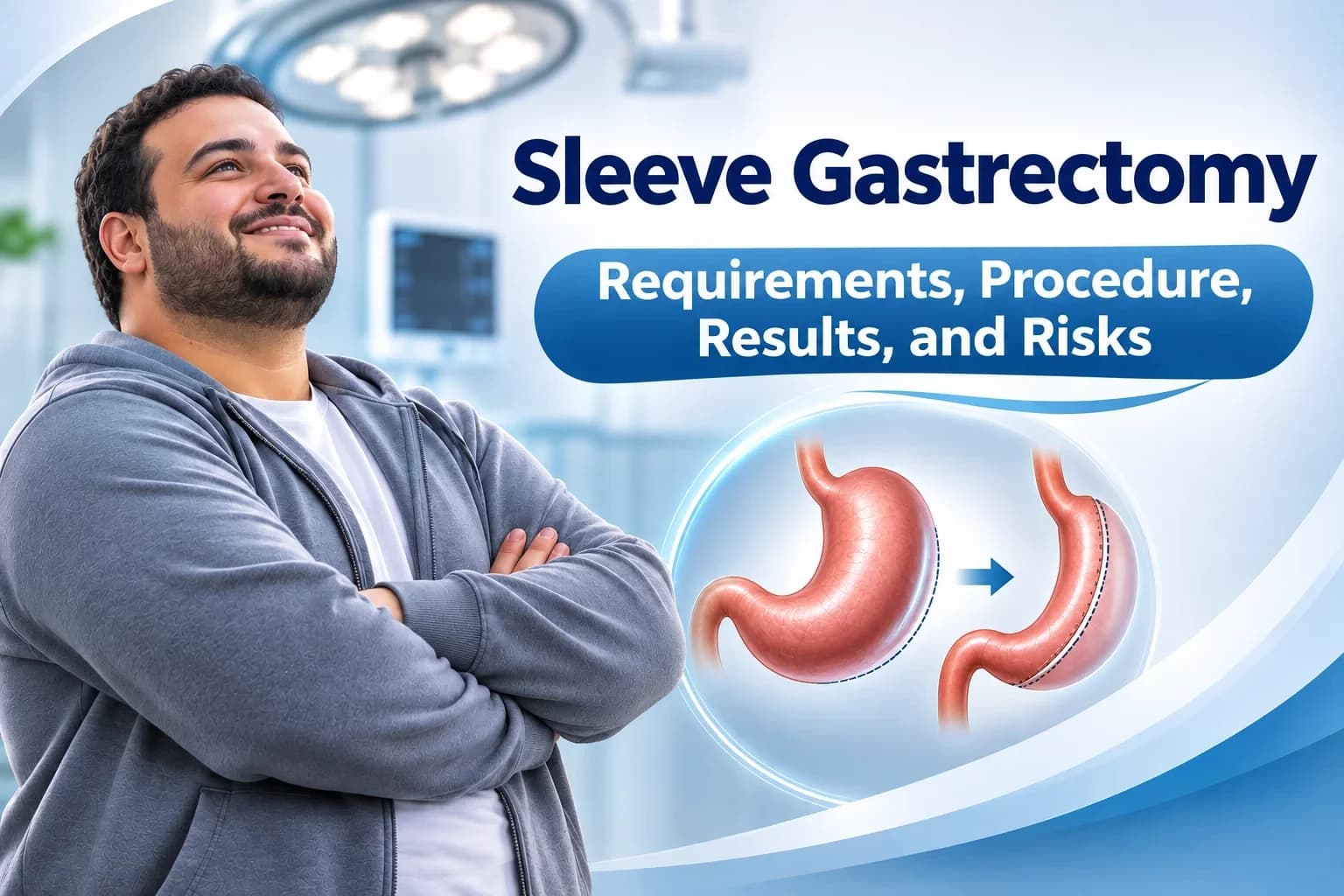
Gastric sleeve surgery has become one of the most common surgical solutions for treating severe obesity, particularly for people who have been unable to achieve a healthy weight through diet and exercise alone. The procedure involves reducing the size of the stomach, helping patients eat smaller portions and feel full for longer periods. With advances in laparoscopic surgery, the procedure can now be performed through relatively small incisions, helping reduce surgical invasiveness. However, before making a decision, it is important to understand the eligibility criteria, procedure steps, potential risks, and lifestyle changes required afterward to ensure the right approach is chosen for each individual.
Medical Disclaimer: This article has been reviewed by Dr. Ahmed Abou Kheima, Consultant in Gastrointestinal, Bariatric, and Laparoscopic Surgery.
What Is Gastric Sleeve Surgery and How Does It Help with Weight Loss?
Gastric sleeve surgery is a surgical procedure used to treat obesity. During the operation, a large portion of the stomach, approximately 80%, is removed, leaving behind a narrow tube-shaped stomach resembling a banana. This change reduces the amount of food a person can eat in one meal and also affects certain appetite-related hormones, including ghrelin, which stimulates feelings of hunger. The procedure does more than reduce stomach size; it may also help improve certain obesity-related health conditions, such as type 2 diabetes and high blood pressure, depending on the patient's medical condition.
Who Is a Suitable Candidate for Gastric Sleeve Surgery?
Gastric sleeve surgery is not suitable for everyone who is overweight. A comprehensive medical evaluation is required to determine the potential benefits and risks of surgery. Patient selection depends on body mass index (BMI), obesity-related health conditions, and previous weight-loss attempts.
People who may qualify for surgery include:
Individuals with a BMI of 40 or higher.
Individuals with a BMI of 35 or higher who have obesity-related health conditions.
Some individuals with a BMI between 30 and 34.9, according to specific medical criteria.
Individuals who are willing to commit to long-term dietary and behavioral changes and regular follow-up.
An assessment by a bariatric surgeon and the medical team remains essential to determine the most appropriate procedure. Gastric bypass or another treatment option may be more suitable for certain patients.
How Is Laparoscopic Gastric Sleeve Surgery Performed?
Laparoscopic gastric sleeve surgery is performed under general anesthesia. The surgeon uses specialized instruments and a camera inserted through small incisions in the abdomen to view the internal organs and perform the surgical steps with precision.
The procedure generally involves the following steps:
Making several small incisions to insert the laparoscopic instruments and camera.
Separating the designated portion of the stomach using surgical stapling devices.
Removing most of the stomach while leaving the remaining portion in a narrow tube shape.
Checking the staple line and ensuring its integrity according to the surgeon's assessment.
Removing the instruments and closing the surgical incisions.
The procedure usually takes between one and two hours, although the duration may vary depending on the patient's condition and surgical details. After surgery, the patient is transferred to the recovery room, where vital signs are monitored to ensure their condition is stable.
What Tests Are Required Before Gastric Sleeve Surgery?
Proper preparation before surgery helps reduce risks and identify any health conditions that may affect anesthesia or recovery. Patients therefore undergo an assessment that includes their medical history, current medications, and dietary habits, in addition to a range of tests determined by the medical team according to their individual needs.
Tests and assessments that the doctor may request include:
Complete blood count (CBC) and liver and kidney function tests.
Blood sugar and lipid level measurements.
Cardiac and anesthesia assessments when necessary.
Gastroscopy if indicated by the patient's condition.
Nutritional assessment and vitamin level testing.
Consultation with a nutritionist and psychological evaluation when needed.
The results of these tests help prepare the patient for surgery and establish an appropriate recovery and post-operative follow-up plan.
Gastric Sleeve Surgery Risks and Potential Complications
Although gastric sleeve surgery can help patients lose weight and improve certain obesity-related conditions, it remains a major surgical procedure with potential risks. These risks vary depending on the patient's health, the surgical team's experience, and adherence to post-operative instructions.
Potential complications include:
Bleeding or infection after surgery.
Leakage of stomach contents from the staple line.
Blood clots or anesthesia-related complications.
Acid reflux or worsening heartburn symptoms.
Vomiting or difficulty tolerating certain foods.
Deficiencies in certain vitamins and nutrients.
Some patients may also require additional interventions if complications occur or the desired results are not achieved. Therefore, it is essential to discuss the benefits and risks with the surgeon before making a decision and to attend regular medical follow-up appointments after surgery.
Diet After Gastric Sleeve Surgery and Recovery Stages
The post-operative diet is an essential part of successful gastric sleeve surgery, as the digestive system needs time to adjust to the new stomach size. Patients therefore progress gradually through different food stages according to their doctor's and nutritionist's instructions, while paying attention to fluid intake and avoiding large portions at once.
Stages of the Post-Gastric Sleeve Diet
Liquids: The first stage begins with appropriate liquids recommended by the medical team.
Pureed Foods: Pureed foods are gradually introduced to make digestion easier.
Soft Foods: Patients progress to foods that are easy to chew and digest, depending on their tolerance.
Regular Foods: A gradual return to regular foods follows, with small portions and a balanced diet.
Patients are advised to prioritize protein and take the nutritional supplements prescribed by their doctor while avoiding carbonated drinks and high-calorie foods. Food should also be chewed thoroughly and meals eaten slowly to reduce discomfort.
What Results Can You Expect After Gastric Sleeve Surgery?
Gastric sleeve surgery helps patients lose a significant portion of their excess weight. However, results vary from person to person depending on pre-operative weight, age, health status, and adherence to dietary instructions and physical activity. According to published medical data, some patients may lose approximately 60% or more of their excess weight within two years, although individual results vary.
The benefits are not limited to changes in body weight. Some patients may also experience improvements in obesity-related conditions, such as type 2 diabetes, high blood pressure, and sleep apnea. However, surgery does not guarantee reaching a specific weight. Maintaining the results depends on lifestyle changes and ongoing follow-up with the medical team.
Book Your Consultation with Dr. Ahmed Abou Kheima, Bariatric Surgeon in Alexandria
Choosing a specialized surgeon and undergoing a thorough medical assessment are among the most important steps before gastric sleeve surgery. At Dr. Ahmed Abou Kheima's clinic in Alexandria, we provide specialized bariatric and laparoscopic surgery services, with a focus on pre-operative medical assessment and developing a follow-up plan to support patients throughout their weight-loss and recovery journey.
Dr. Ahmed Abou Kheima is a Senior Consultant in General Surgery, Gastrointestinal Surgery, and Surgical Oncology. He holds a Doctorate in Laparoscopic and Bariatric Surgery and is a member of the International Federation for the Surgery of Obesity and Metabolic Disorders (IFSO) and specialized Egyptian medical societies.
To book your consultation and find out whether the procedure is suitable for your condition:
Address: Alexandria – Smouha – 29 Fawzy Moaz Street, next to Etisalat, Entrance 2, Safwa Businessmen Building, Clinic 203.
WhatsApp: 01006719949
Phone: 01226222297
Frequently Asked Questions About Gastric Sleeve Surgery
How Long Does Gastric Sleeve Surgery Take?
The procedure usually takes between one and two hours, although the duration may vary depending on the patient's condition and surgical details.
Is Gastric Sleeve Surgery Painful?
The procedure is performed under general anesthesia, so patients do not feel pain during surgery. Some pain or discomfort may occur afterward and can be managed with appropriate medication.
When Can I Return to Work After Gastric Sleeve Surgery?
The time needed to return to work depends on the type of job and the recovery process. Some patients may be able to resume desk-based work within two to four weeks, following their doctor's assessment.
Can You Regain Weight After Gastric Sleeve Surgery?
Yes. Some patients may regain part of the weight they lost, particularly if they return to unhealthy eating habits or do not maintain regular follow-up and physical activity.
Is Gastric Sleeve Surgery Dangerous?
Like any major surgery, gastric sleeve surgery carries potential risks and complications. However, proper medical assessment, choosing an appropriate surgeon, and following post-operative instructions can help reduce these risks.