
Gastric sleeve surgery is one of the most common bariatric procedures that helps with excess weight loss and improves many health problems associated with obesity. However, the success of the procedure does not depend on surgery alone, but is also linked to following the recommended dietary instructions after surgery.
After gastric sleeve surgery, the patient needs to follow a gradual diet that helps the stomach heal and adapt to its new size. Therefore, following a gastric sleeve diet plan is one of the most important factors in achieving good results and avoiding complications.
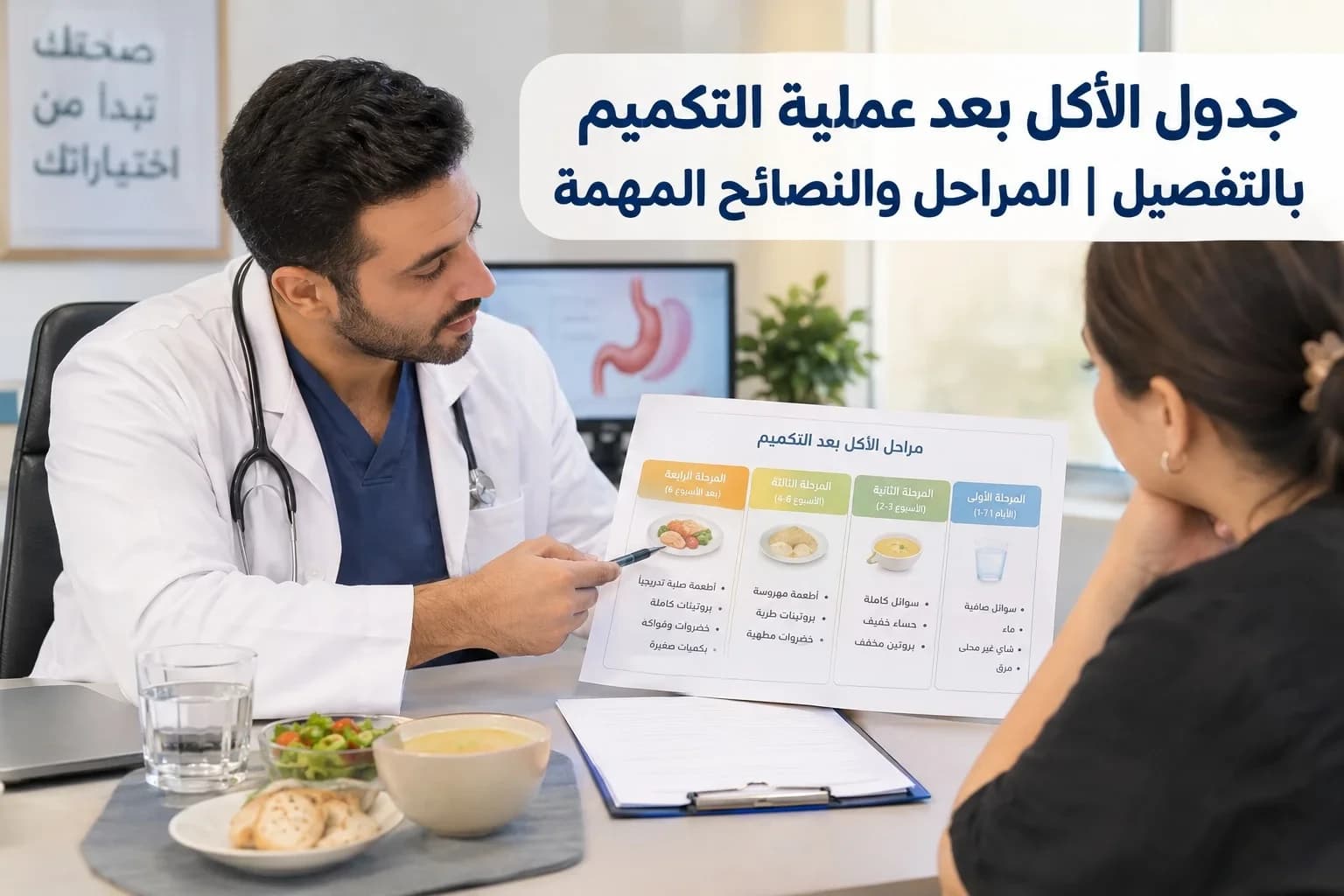
The post-sleeve diet goes through several stages, beginning with liquids, followed by pureed foods, then soft foods, and eventually regular foods in small portions. The patient's doctor's instructions must be followed at every stage according to their individual condition.
Medical Disclaimer: This article was reviewed by Dr. Ahmed Abu Khazima, Consultant of Bariatric Surgery, Laparoscopic Surgery, and Gastrointestinal Surgery, to ensure the accuracy of the medical information provided. Please note that the gastric sleeve diet plan and appropriate nutritional regimen vary from one patient to another and are determined according to the patient's health condition and the instructions of the treating physician.
Importance of Following a Gastric Sleeve Diet Plan
After gastric sleeve surgery, the stomach becomes significantly smaller, which means the body needs a different approach to eating. A gastric sleeve diet plan helps organize meals and provide the essential nutrients the body needs during the recovery period.
Following the post-operative diet helps reduce the risk of problems such as vomiting, severe fullness, or intolerance to certain foods. It also helps the patient develop healthy eating habits that can continue after reaching the desired weight.
The main goals of the post-sleeve diet include:
Helping the stomach heal safely.
Providing adequate amounts of protein and essential nutrients.
Preventing muscle mass loss during weight loss.
Training the patient to eat small portions.
Maintaining the results of the surgery in the long term.
Stages of the Gastric Sleeve Diet Plan
The gastric sleeve diet plan is divided into consecutive stages. The doctor determines when the patient should move from one stage to the next based on their condition and recovery progress.
First Week After Gastric Sleeve Surgery: The Liquid Stage
The first few days after surgery are an important stage for reducing pressure on the stomach and allowing it to heal. During this period, the patient relies only on small, frequent amounts of liquids.
The doctor may allow liquids such as:
Water.
Sugar-free warm beverages.
Clear strained broth.
Medically recommended protein drinks.
Liquids should be consumed slowly, and large amounts should not be consumed at once because the stomach is still healing and cannot tolerate rapid filling.
Second and Third Weeks: Full Liquids
After completing the first stage, the doctor may allow the addition of other liquids with higher nutritional value, such as low-fat dairy products or protein-containing beverages.
This stage aims to increase the body's intake of essential nutrients while continuing to protect the stomach from solid foods.
During this period, it is important to:
Follow the recommended portions.
Avoid beverages high in sugar.
Report any unusual symptoms to the doctor.
The Pureed Food Stage After Gastric Sleeve Surgery
After the period determined by the doctor, the patient gradually begins introducing pureed foods. Foods at this stage should be easy to swallow and digest, with an emphasis on protein.
Examples of suitable foods include:
Mashed eggs.
Low-fat yogurt.
Well-pureed vegetables.
Soft protein sources.
Food should be eaten very slowly, and the patient should stop as soon as they feel full because the stomach is small after sleeve surgery and does not require large portions.
The Soft Food Stage Followed by Regular Foods
After successfully completing the previous stages, the patient begins eating a wider variety of foods, but in limited portions. Reaching this stage does not mean returning to the old diet. Instead, the patient should maintain the new healthy eating habits.
Meals should preferably contain:
A primary source of protein.
Suitable vegetables.
A small amount of carbohydrates according to the doctor's instructions.
Gastric Sleeve Diet Plan for the First Month
The first month after surgery is one of the most important periods requiring full adherence to dietary instructions.
First Week:
The patient relies only on liquids, with an emphasis on drinking adequate amounts of water and preventing dehydration.
Second and Third Weeks:
Full liquids and liquid protein sources are introduced according to the doctor's plan.
Fourth Week:
The patient may gradually begin eating pureed or soft foods, with an emphasis on protein and easy digestion.
It is important to emphasize that the gastric sleeve diet plan for the first month varies from one person to another. Therefore, following another person's diet plan without consulting a doctor is not recommended.
Foods Allowed After Gastric Sleeve Surgery
After completing the initial stages and gradually returning to food, the focus should be on foods with high nutritional value because of the small amount of food the patient can consume.
Foods that may be gradually introduced include:
Eggs.
Fish.
Skinless chicken.
Lean meats.
Cooked vegetables.
Low-fat dairy products.
Protein is one of the most important nutrients after gastric sleeve surgery because it helps preserve muscle mass and supports healthy weight loss.
Foods to Avoid After Gastric Sleeve Surgery
Some foods and beverages are preferably avoided after gastric sleeve surgery because they may cause digestive problems or affect the results of the procedure.
Important foods and beverages to be cautious about include:
Carbonated beverages.
Sweets and high-sugar foods.
Sweetened juices.
Fried foods.
Fast food.
Dry foods or foods that are difficult to chew.
You should also avoid eating quickly or consuming portions larger than the stomach can tolerate, as this may cause pain or nausea.
When Can a Patient Eat Regular Food After Gastric Sleeve Surgery?
The time required to return to regular foods after gastric sleeve surgery varies depending on each patient's condition. The transition takes place gradually after completing the dietary stages determined by the doctor.
Once regular foods are introduced, several important rules should be followed, including:
Eat slowly.
Chew food thoroughly.
Stop eating when you feel full.
Divide food into small meals.
Give priority to protein.
The goal of eating after gastric sleeve surgery is not only to reduce food intake, but also to change the way food is selected and consumed in order to maintain the results of the procedure.
Important Tips for Successful Post-Sleeve Diet
To maintain the results of gastric sleeve surgery, it is important to follow healthy habits that help the body adapt to the changes.
Key tips include:
Follow the gastric sleeve diet plan prescribed by your doctor.
Drink water regularly throughout the day.
Avoid sugars and high-calorie beverages.
Gradually engage in physical activity after receiving medical approval.
Attend regular follow-up appointments.
Take nutritional supplements when prescribed by your doctor.
Regular medical follow-up helps detect any nutritional deficiency or problem at an early stage and supports healthy, continued weight loss.
Book Your Consultation With Dr. Ahmed Abu Khazima for Post-Sleeve Dietary Follow-Up
Following the gastric sleeve diet plan correctly is an essential step toward achieving the best possible results after surgery. Therefore, patients need careful follow-up and a nutritional plan tailored to their health condition and nutritional needs.
You can book a consultation with Dr. Ahmed Abu Khazima to receive specialized follow-up after gastric sleeve surgery and learn about the appropriate diet for each stage of recovery.
Frequently Asked Questions About the Gastric Sleeve Diet Plan
What Should a Patient Eat During the First Week After Gastric Sleeve Surgery?
During the first week, the patient relies only on liquids such as water, permitted beverages, and clear soups to help the stomach heal and reduce pressure on it after surgery.
When Can I Eat Regular Food After Gastric Sleeve Surgery?
The patient gradually returns to regular foods after progressing through the liquid, pureed food, and soft food stages. The doctor determines the appropriate time based on each patient's condition.
What Foods Are Prohibited After Gastric Sleeve Surgery?
Foods to avoid after gastric sleeve surgery include carbonated beverages, high-sugar foods, fried foods, fast food, and any food that causes pain or discomfort.
How Much Food Can I Eat After Gastric Sleeve Surgery?
Food portions are small after surgery because of the reduced stomach size. Portions are gradually increased according to the patient's tolerance and the doctor's instructions.
Does a Gastric Sleeve Patient Need to Take Vitamins?
A gastric sleeve patient may need certain vitamins and nutritional supplements to compensate for potential deficiencies. The type and duration are determined by the specialist.
Can Weight Gain Occur Again After Gastric Sleeve Surgery?
The results of the procedure can be maintained by following a healthy diet, attending regular medical follow-ups, and avoiding eating habits that may lead to weight regain.